
Iron - Plant Sources
General Overview
Iron naturally occurs in both plant and animal foods, playing a steady role in supporting oxygen transport throughout the body. It participates in energy-related processes as part of everyday physiology, contributing to general body function through balanced, varied eating.
Natural Sources
Iron naturally occurs in:
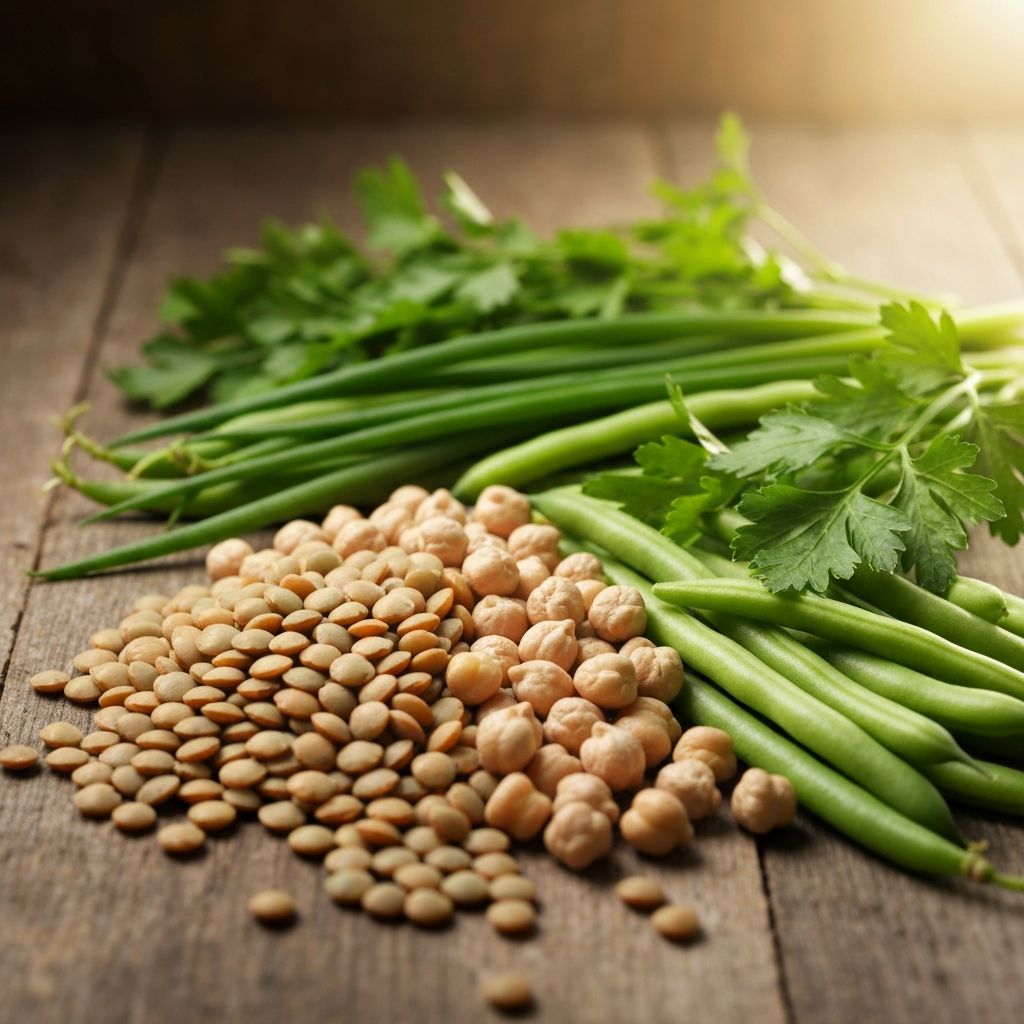
- Legumes — lentils, chickpeas, beans, peas
- Leafy greens — spinach, kale, collard greens
- Whole grains — oats, brown rice, quinoa
- Seeds — pumpkin seeds, sunflower seeds
- Nuts — cashews, almonds
- Animal sources — beef, poultry, fish
General Role in Body Physiology
Iron participates in oxygen transport and storage throughout the body. It is a component of hemoglobin, the protein in blood that carries oxygen, and myoglobin, which stores oxygen in muscles. Additionally, iron participates in energy production processes at the cellular level.
These are general physiological facts. The body maintains iron balance through natural regulation, and dietary iron needs vary among individuals based on numerous factors.
Iron Types and Absorption
Iron exists in two forms in foods: heme iron from animal sources and non-heme iron from plant sources. They behave differently during absorption. Vitamin C, overall diet composition, and individual factors influence absorption patterns.
Including diverse plant and animal foods naturally provides iron through regular eating. Supplemental iron forms represent isolated or combined preparations for specific dietary needs or circumstances.
Important Context
This page provides purely educational information. It is not medical advice, nutritional guidance, or health direction. Iron needs and absorption capacity vary widely among individuals. Consult professional resources for personal dietary decisions and supplementation.